
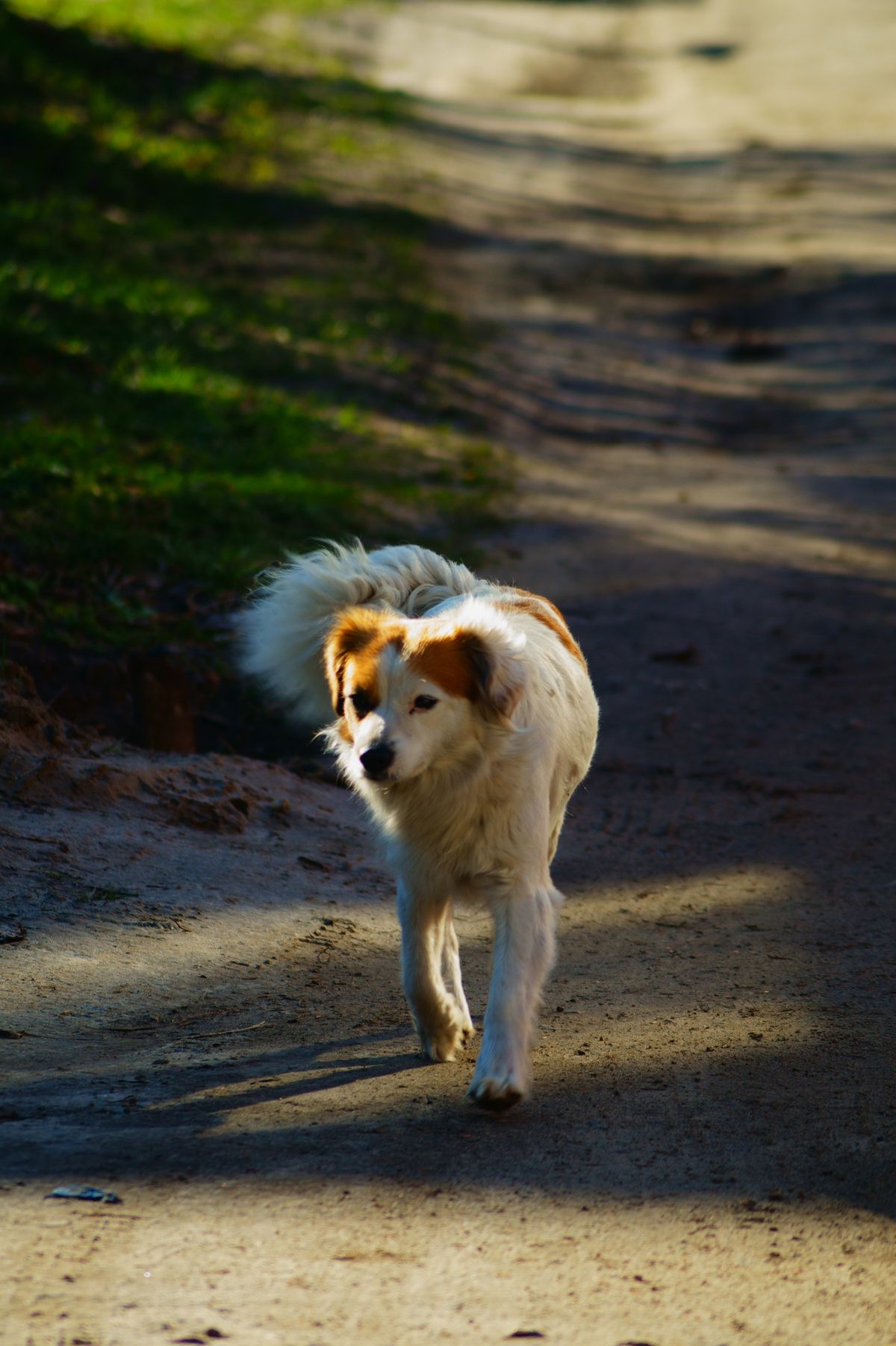
I rarely start with a walk because most reactive and over-aroused dogs are running the same arousal pattern twice a day on lead, so the first job is to stop walking and replace it with structured cycles of activity and rest.
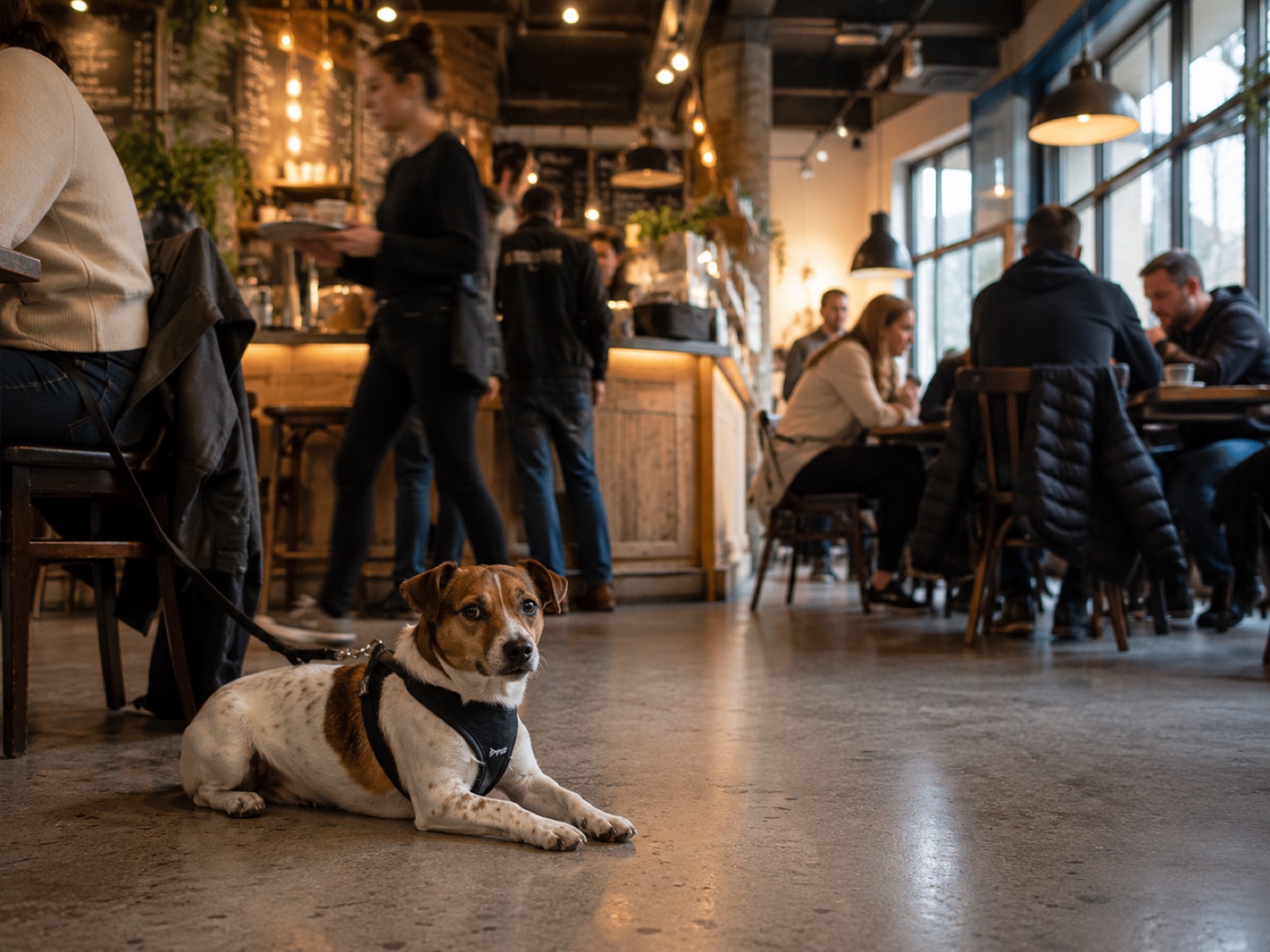
A few weeks into working with Benzi, a Jack Russell who had been lunging at cars on every walk, Sajee sent me a message after their morning session:
"It's actually fun taking him for a walk now. I feel like I'm not having to be so hyper stressed and trying to predict the movement of cars myself. Felt like his anxiety was fed through to me. He was an absolute joy."
This is the outcome. The walk becomes enjoyable again. The owner stops bracing. The dog stops running the same arousal pattern he's been running twice a day for years. It takes a few weeks to get there, and the first thing you have to do is stop walking.
Why walks are often the problem
A standard pet walk is a combination of two modes: EXPLORE (sniffing, doing dog things) and ANCHOR (walking politely on lead, attending to the handler). For a relaxed dog with no significant triggers, the blend is fine. The dog defaults to something manageable and the walk is pleasant.
For a reactive dog, the walk is a daily rehearsal of the problem. The dog hits a trigger, arousal spikes, the owner does something that either feeds or contains the reaction, and then the walk continues. By the time they're home, the dog has run the reactivity pattern three or four times. That pattern gets stronger every time it runs.
The dog isn't at fault. The structure of the walk is asking a dog who doesn't yet have the skills to manage their arousal to manage their arousal, on lead, through a series of triggers, twice a day. The dog who comes to me hasn't been failing. They've been getting daily practice at something they're not ready for yet.
The cycle structure
Cycles are the primary structure tool in the Still Waters methodology. A cycle is a deliberate sequence of modes the dog moves through. The order gives the dog's brain a predictable shape to the day. A typical one looks like this:
Three to four of these across a day. The durations shift as the dog's skills develop. The sequence and the expectations don't.
This is typically the first activity I assign at the initial consultation. Depending on the dog's requirements, the specific structure may look different (the number of cycles, how long each phase runs, which mode follows which), but the principle holds.
What this does is obvious once you see it running. The dog's day has a clear shape. Arousal comes up in PLAY, where it's contained and directed. It doesn't spike unpredictably because a dog appeared on the other side of the road. CALM provides genuine rest between cycles, not just "lying near you while the house runs around them."
Within two to three weeks, baseline arousal drops. The same triggers that used to cause an eruption start getting a glance and a redirect instead. See the Still Waters waterline model for why this happens.
Want a cycle structure built around your dog? That is exactly what the first session designs.
Enquire about private training →Why owners resist this
Two things. Guilt, and logistics.
Owners feel like they're depriving their dog. They've been told their whole life that dogs need walks. They worry the dog will be bored, frustrated, under-exercised. Watch the dog for the first week off walks and what you usually see is the opposite. Deeper sleep. Calmer after meals. Less pacing. Less window-watching. The reactive dog has been surviving walks, not enjoying them. Removing the daily survival exercise is more often a relief than a deprivation.
The logistics issue is real. Most household dogs are walked because multiple people in the house rely on that routine. The kids walk the dog after school. The partner walks the dog before work. Convincing everyone to stop, even for three weeks, requires selling the model to the whole household. I usually end up explaining the waterline to everyone in the first session before we start the new structure.
Trigger hunting: the bridge phase
Stopping walks isn't the whole picture. Once the baseline starts to drop, the dog needs controlled exposure to triggers: enough to learn how to regulate around them, not so much that it collapses the progress. This is the trigger hunting phase.
The structure is simple. PLAY first, to take the edge off and put the dog's brain on you. Then ANCHOR on a long lead, moving toward a known trigger location: a street with cars, a park where dogs appear. When the trigger shows up, foot goes on the lead. Wait for de-escalation. Say "ready." Resume PLAY. Move on. Between triggers, ANCHOR walks to keep the dog's brain engaged without waiting for the next thing to appear.
The target during this phase is roughly twenty triggers per day. One unfamiliar location every day. Not because volume is the goal. It isn't. The goal is that the dog sees enough triggers in a controlled way that the triggers stop being novel events and start being normal parts of the environment. The lunging is practice. The de-escalation after the lunging is also practice, and it's the practice that matters.
Rex's owners were doing trigger hunting around their block in Richmond, moving toward trigger-heavy streets, cycling through PLAY and ANCHOR, filming everything so I could review the clips. Benzi's owners took him to a large quiet car park when they needed a low-trigger space, and to Bunnings, which is genuinely excellent for this: controlled foot traffic, trolleys, unfamiliar sounds, the occasional dog, and enough space that you can manage distance easily.
What "ready for walks" looks like
The signs I look for before reintroducing a walk are specific. The dog moves through cycles without needing help from me or the handler. CALM holds cleanly. The dog settles without protest. ANCHOR on lead is settled, with the dog's attention on the handler rather than scanning the environment. Household triggers (doorbell, the neighbour's dog barking, someone at the gate) get a look and a return to settle rather than an escalation.
When those things are running, we add a short structured walk in a low-trigger area. Fifteen minutes, quiet street, quiet time of day. ANCHOR the entire time. No blending into EXPLORE. The dog's brain is on me, not on what might appear from the corner.
If the dog handles that, the walk extends. The area extends. The time of day widens. Within a few weeks most clients are walking in places they couldn't walk six weeks before. The walk now has a job. The dog has the tools.
The thing Sajee noticed
When she said "felt like his anxiety was fed through to me" she was describing something real. A reactive dog on a walk transmits arousal to their handler. The handler starts bracing. Their body tightens on the lead. Their pace changes. Their attention narrows to scanning for the next trigger, exactly the same way the dog's attention does. The dog reads this and their baseline climbs before the next trigger arrives.
By the time Benzi had done enough trigger hunting and enough cycles to come down in his baseline, the walks changed for Sajee because she changed too. She'd stopped bracing. She could walk without predicting. The lead stayed loose. The dog felt that, and they were, as she put it, an absolute joy.
That's the outcome. Not perfect, not trigger-proof. Just a dog you can take somewhere without both of you surviving the experience.
For more on why baseline arousal is the lever that actually changes this, see the Still Waters waterline model. If you want help running cycles and trigger hunting for your specific dog, the private training work is built around this. Cycles are the foundation everything else is built on.